In the pursuit of exceptional drip coffee, attention is typically directed toward origin, roast development, grind uniformity, water chemistry, and brew ratios. Yet one of the most underestimated variables in manual brewing remains agitation—specifically, stirring. In professional practice, stirring is not a casual gesture performed out of habit; it is a deliberate intervention in extraction kinetics. When applied correctly, it promotes even saturation, stabilizes flow dynamics, enhances extraction uniformity, and improves cup clarity. When misapplied, it can induce channeling, over-extraction, and textural muddiness.

This comprehensive guide examines stirring as a controlled extraction variable in drip brewing. We will explore the physics of agitation, its impact on solute migration, its relationship with grind distribution and bloom dynamics, and practical techniques for precise implementation. The goal is not merely to advocate stirring, but to understand when, why, and how it improves drip coffee quality.
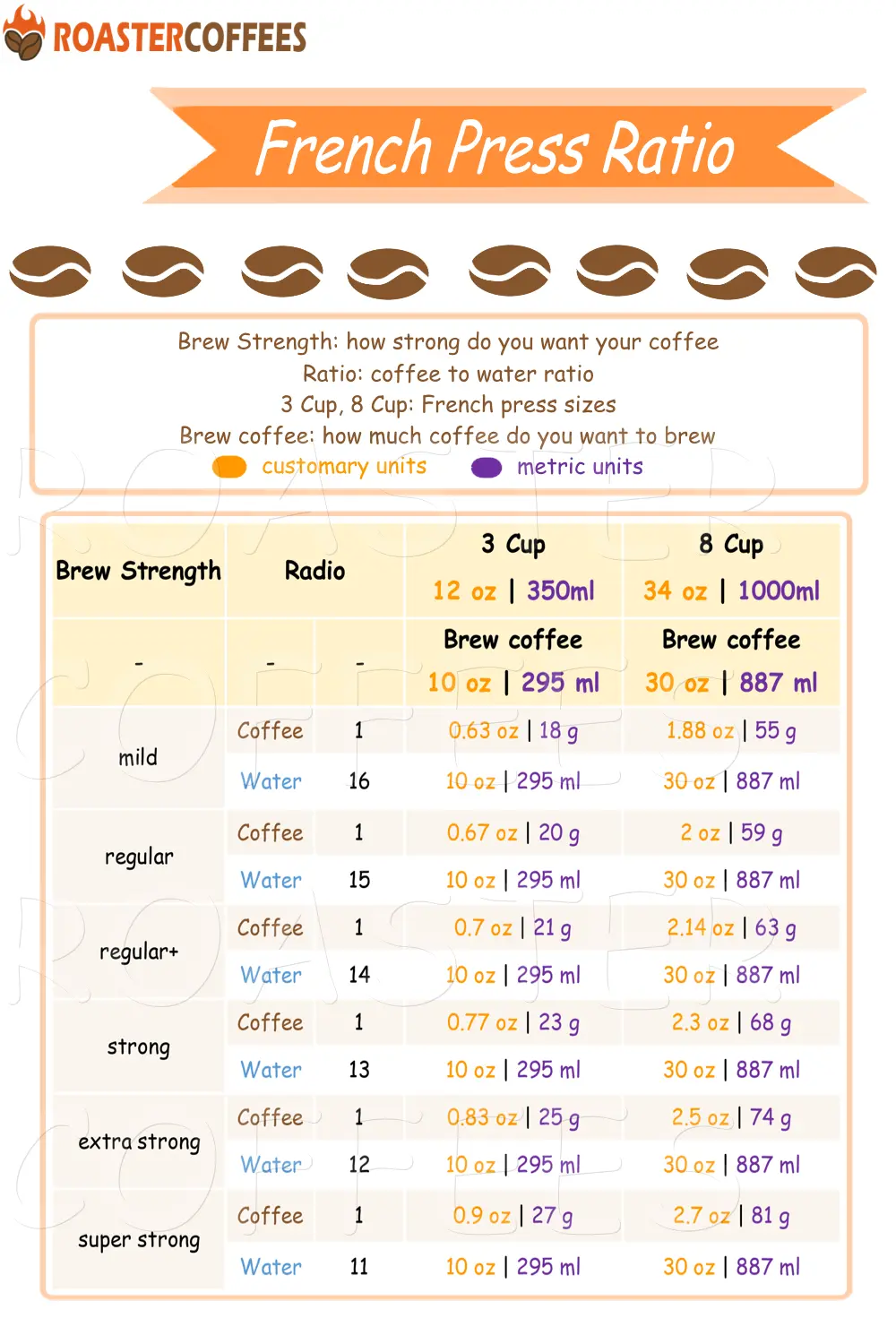
1. Understanding Extraction Uniformity in Drip Brewing
Drip coffee is fundamentally a percolation process. Hot water flows through a bed of ground coffee, dissolving soluble compounds as it passes. Ideally, each particle contributes proportionally to the final beverage. In practice, extraction is uneven. Fines over-extract quickly, larger particles under-extract more slowly, and water follows the path of least resistance.
This is where stirring becomes strategically relevant.
Stirring introduces controlled turbulence, which disrupts preferential flow paths, redistributes fines, and enhances contact between water and coffee particles. Proper agitation reduces localized under-extraction and mitigates dry pockets within the bed.
Extraction uniformity is not an aesthetic goal—it is a sensory one. Balanced cups exhibit coherent sweetness, structured acidity, and integrated bitterness. Uneven extraction produces discordant flavor, where sharp acidity and hollow body coexist.
2. The Physics of Agitation: Fluid Dynamics in the Brew Bed
When water contacts dry coffee grounds, it initiates swelling and degassing. Carbon dioxide trapped within the roasted structure escapes rapidly during the bloom phase. Without agitation, gas pockets can create micro-barriers that repel water, leading to incomplete saturation.
Stirring alters three primary dynamics:
Particle Suspension – Movement reduces stratification of fines and boulders.
Gas Release – Disruption accelerates CO₂ evacuation.
Solute Diffusion – Turbulence increases mass transfer rates.
At the microscopic level, agitation enhances diffusion gradients. Soluble compounds migrate from the particle interior to the surrounding water more efficiently when the boundary layer around each particle is disturbed. This boundary layer—the thin, relatively stagnant liquid film at the particle surface—acts as resistance to mass transfer. Stirring reduces this resistance.
However, agitation must be controlled. Excessive turbulence can compact fines at the bottom of the filter, increasing flow resistance and prolonging contact time unpredictably.
3. Bloom Stirring: The Most Critical Moment
In professional drip brewing, the bloom phase is the most strategic window for stirring.
3.1 Purpose of Bloom Stirring
Ensure complete wetting of all grounds Release trapped CO2 Prevent dry clumps Establish an even extraction baseline
Without bloom agitation, the outer layer of grounds may hydrate while interior clumps remain partially dry. This results in uneven extraction later in the brew.
3.2 Technique Considerations
A gentle, circular stir—two to three rotations—is typically sufficient. The objective is not to whip the slurry but to fold water into dry pockets. Stirring too aggressively can disturb the filter bed structure before it stabilizes.
Timing also matters. Stir within the first 10–15 seconds of bloom for optimal gas release.
The effect of stirring on the caffeine content of drip coffee is generally modest but technically relevant from an extraction standpoint. Caffeine is highly water-soluble and extracts early in the brewing process. In drip brewing, water passes through the coffee bed under gravity, and extraction depends on contact time, temperature, and flow uniformity. Stirring primarily improves extraction consistency, rather than dramatically increasing total caffeine.
When you stir during or immediately after the bloom phase, you help eliminate dry pockets and channeling within the coffee bed. This promotes even saturation and more uniform solute dissolution. As a result, caffeine extraction may become slightly more efficient, especially if the original pour was uneven. However, because most caffeine is extracted quickly—often within the first minute—the overall increase in caffeine content from stirring is typically small.
Where stirring has greater impact is in preventing under-extraction. Without agitation, certain areas of the coffee bed may remain less extracted, potentially lowering total caffeine yield. Proper stirring ensures more complete extraction within the standard brew time.
To determine whether stirring meaningfully changes your caffeine intake, a caffeine calculator can be useful. By inputting coffee dose, brew time, and extraction variables, a caffeine calculator provides a more precise estimate of caffeine content than relying solely on technique adjustments like stirring.
4. Mid-Brew Stirring: Strategic or Unnecessary?
Whether to stir during later pouring stages depends on brew method, grind size, and desired flavor profile.
4.1 Advantages
Relevels the bed after uneven pouring Redistributes fines Promotes consistent flow rate Enhances extraction in lighter roasts
4.2 Risks
Increased turbidity Over-extraction of fines Filter clogging Extended drawdown time
In light-roasted, high-density coffees, mid-brew agitation can improve sweetness and clarity by compensating for slow solute release. In darker roasts, which extract more readily, additional stirring may push bitterness into dominance.
Professional judgment is essential.
5. Stirring Tools and Their Impact
The choice of stirring implement influences extraction dynamics.
5.1 Spoon
A standard spoon introduces moderate turbulence. Its curved shape displaces liquid efficiently but may disturb the filter wall if not used carefully.
5.2 Bamboo Paddle
Common in manual brewing, paddles provide gentler agitation and allow precise control. They minimize the risk of scraping the filter.
5.3 Dedicated Stirring Rods
These are preferred in competition settings where precision is critical.
Material choice also matters. Metal tools conduct heat away slightly; wood and plastic do not. Although the effect is small, professionals account for cumulative variables.
6. Relationship Between Grind Size and Stirring
Grind distribution determines how stirring affects flow.
Coarser grind: Stirring compensates for reduced surface area by enhancing particle contact.
Finer grind: Excessive stirring may lead to over-extraction and filter clogging.
High fines content: Stir cautiously; fines migrate easily and can seal the filter.
Inconsistent grinders amplify the need for careful agitation management. A uniform grind allows more predictable stirring outcomes.
7. Roast Level Interaction
Roast development influences solubility.
Light Roasts
Lower solubility Higher structural density Benefit from controlled agitation Increased sweetness with proper stirring
Medium Roasts
Balanced solubility Moderate agitation recommended
Dark Roasts
High solubility Minimal agitation required Risk of bitterness if overstirred
Understanding roast chemistry guides agitation strategy.
8. Water Chemistry and Agitation
Water mineral content affects extraction efficiency. High bicarbonate levels buffer acidity and can suppress brightness. Stirring in such conditions may increase extraction but not necessarily improve clarity.
Conversely, properly mineralized brewing water allows agitation to reveal layered acidity and sweetness without exaggerating harshness.
Agitation does not correct poor water composition—but it can amplify both strengths and weaknesses.

9. Sensory Effects of Controlled Stirring
Professionally evaluated cups brewed with intentional stirring often demonstrate:
Greater sweetness perception Improved acidity articulation Enhanced aromatic expression Reduced hollow or grassy notes
However, sensory panels also detect increased astringency when stirring is excessive.
The key insight: stirring improves uniformity, not necessarily intensity. It refines balance rather than amplifying extremes.
10. Competitive Brewing and Agitation Trends
In barista competitions and manual brew championships, agitation strategies vary widely.
Some competitors rely solely on bloom stirring. Others employ pulse stirring between pours. A minority use aggressive agitation to increase extraction yield in short brew times.
The trend in recent years favors precision rather than force. Gentle, intentional movements outperform vigorous stirring in blind evaluations.
11. When Not to Stir
There are circumstances where stirring may be unnecessary or counterproductive:
Extremely fresh coffee with excessive gas release (risk of turbulence collapse) Very fine grind sizes High-flow drippers with optimized pouring patterns When targeting ultra-clean, tea-like clarity
In these cases, controlled pouring alone may suffice.
12. Common Stirring Mistakes
Stirring too aggressively Scraping filter walls Stirring late in the brew cycle Ignoring drawdown time changes Using stirring to compensate for poor grind quality
Agitation is not a corrective for flawed fundamentals. It is a refinement tool.
The relationship between coffee grind size and brewed drip coffee is central to extraction control, flavor balance, and overall cup quality. In drip brewing, water flows through a bed of ground coffee under gravity. The grind size directly determines surface area exposure and flow resistance, which together regulate extraction yield and brew time.
A medium grind is generally considered optimal for standard drip coffee makers. On a typical coffee grind size chart, this setting resembles granulated sugar—finer than French press but coarser than espresso. At this size, water passes through the coffee bed at a controlled rate, extracting desirable solubles such as organic acids, sugars, and aromatic compounds without drawing excessive bitterness.
If the grind is too coarse, water flows too quickly, reducing contact time. This results in under-extraction, often perceived as sour, thin, or weak coffee. Conversely, if the grind is too fine, water flow slows excessively, increasing contact time and potentially leading to over-extraction, characterized by bitterness, dryness, and astringency. Fine grinds may also cause clogging in paper filters, further disrupting flow consistency.
Grind uniformity is equally important. Burr grinders are preferred because they produce consistent particle sizes, ensuring even extraction. Inconsistent particles—commonly produced by blade grinders—create a mix of over-extracted fines and under-extracted boulders, leading to muddled flavor.
A coffee grind size chart provides a practical reference for aligning grind settings with brewing methods. By consulting the chart and adjusting based on brew time (typically 4–6 minutes for drip coffee), brewers can fine-tune extraction. Ultimately, grind size acts as a primary lever in drip brewing, directly shaping strength, clarity, and balance in the final cup.
13. Practical Stirring Protocol for Home Brewers
For those seeking a structured approach: Dose and level grounds evenly. Initiate bloom with 2–3x coffee weight in water. Stir gently 2–3 rotations. Allow 30–45 seconds for degassing. Continue pouring with consistent flow. If needed, perform one gentle mid-brew stir. Avoid stirring during final drawdown.
Evaluate the cup. Adjust agitation incrementally rather than dramatically.
14. Measuring the Impact: Extraction Yield and TDS
Refractometer analysis often reveals that controlled stirring increases extraction yield by 0.5–1.0%. While this appears minor, sensory differences are significant.
Higher extraction yield is not inherently superior. The target range for drip coffee typically falls between 18–22%, depending on roast and style. Stirring helps approach the desired window more consistently.
15. Agitation as a Variable of Intent
In professional brewing, variables are never random. Stirring must align with the intended flavor outcome.
If the goal is bright clarity and floral nuance, gentle bloom stirring may suffice. If the goal is syrupy sweetness and depth, slightly increased agitation may enhance solute release.
Precision requires repeatability. Documenting stirring technique ensures consistency across brews.
16. Conclusion: Stirring as an Expression of Craft
Stirring is neither mandatory nor ornamental. It is a deliberate manipulation of fluid dynamics and extraction chemistry. When applied with intention, it promotes uniform saturation, balanced extraction, and refined sensory expression.
The best drip coffee is not achieved through force but through control. Stirring should be measured, purposeful, and responsive to the variables at play—grind size, roast level, water chemistry, and desired flavor profile.
In professional coffee practice, small movements yield substantial differences. A gentle rotation of the spoon at the right moment can transform a cup from uneven and muted to harmonized and expressive.
Mastery of stirring is mastery of nuance. And in drip coffee, nuance is everything.
References:
The Essential Craft: Why We Roast Coffee
A Beginner’s Guide to Essential Equipment for Drip Coffee
文章定位: