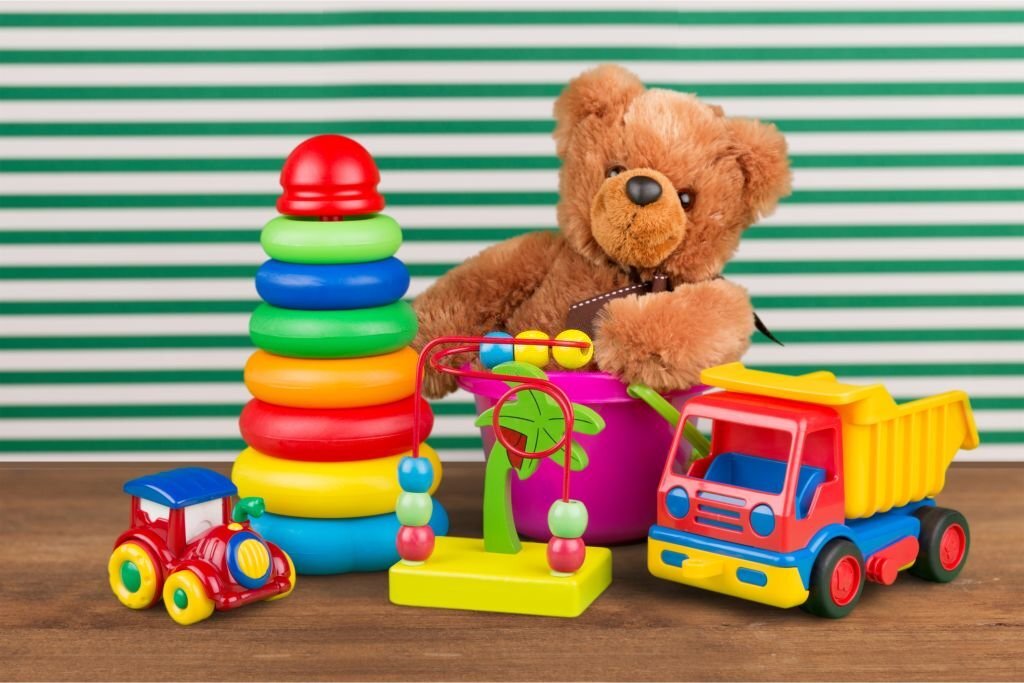
Play is not just fun and games; it's a fundamental facet of childhood that shapes a child's physical, emotional, and cognitive development. And in the middle of play lies one essential tool: toys Thrifty kid's playthings Thrifty kid's playthings. From simple foundations to intricate puzzles , toys play a pivotal role in nurturing young minds and fostering creativity. In this short article, we explore the profound significance of toys in a child's life.
1. Learning Through Play
Toys are educational tools that encourage learning through play. Building toys like LEGO or construction sets help develop fine motor skills, spatial awareness, and problem-solving abilities. Board games teach kids about rules, strategy, and cooperation. Educational toys like science kits and art sets spark curiosity and allow children to explore different subjects.
2. Emotional Development
Toys also serve as a safe outlet for emotional expression. Dolls and action figures, for instance, allow kids to do something out scenarios, express their feelings, and develop empathy. These imaginative activities help children process their emotions and understand the entire world around them .
3. Social Skills
Playing with toys often involves social interaction, whether it's with siblings, friends, or parents. This interaction teaches kids essential social skills like taking turns, sharing, and communicating effectively. Board games, particularly, promote teamwork and cooperation as players interact to reach a common goal.
4. Creativity and Imagination
Toys stimulate creativity and imaginative thinking. Open-ended toys, such as art supplies or foundations, allow kids to create their own worlds, stories, and scenarios. This sort of free play fosters innovation and problem-solving by encouraging children to consider beyond your box.
5.Physical Development
Physical exercise is vital for a child's health and well-being. Many toys, like sports equipment, bikes, and outdoor games, promote physical development. These toys encourage kids to stay active, enhance their coordination, and build strength.
6.Cognitive Skills
Puzzles, brainteasers, and strategy games enhance cognitive skills. They challenge a child's problem-solving abilities, critical thinking, and memory. These toys are instrumental in developing logic, spatial reasoning, and mathematical skills.
7.Building Confidence
Mastering new skills and overcoming challenges while having fun with toys can boost a child's self-esteem. When children see their progress, whether it's building a complex LEGO structure or solving a difficult puzzle, they gain a feeling of accomplishment.
8. Fostering a Lifelong Love for Learning
Toys can instill a love for learning at an early on age. When children see playtime as an enjoyable and engaging solution to explore the entire world, they are prone to create a lifelong desire for learning and exploration.
9. Bonding with Caregivers
Playing with toys often involves parents or caregivers, creating a bonding experience. This quality time together strengthens the child-caregiver relationship and provides opportunities for open communication and shared enjoyment.
10. A World of Possibilities
Toys provide an environment of possibilities for children, igniting their curiosity and helping them sound right of the world. Whether through exploration, creativity, or emotional expression, toys are necessary tools that enhance a child's development.
To conclude, the importance of toys in a child's life can't be overstated. They are not just objects of amusement but powerful tools that shape children's physical, emotional, and cognitive growth. Deciding on the best toys for children and encouraging them to play and explore the entire world around them is one of the very significant investments within their future development. So, next time you see a kid at play, remember that they are not just having a good time – they are learning and growing, one toy at a time.
文章定位: